Discover Amano
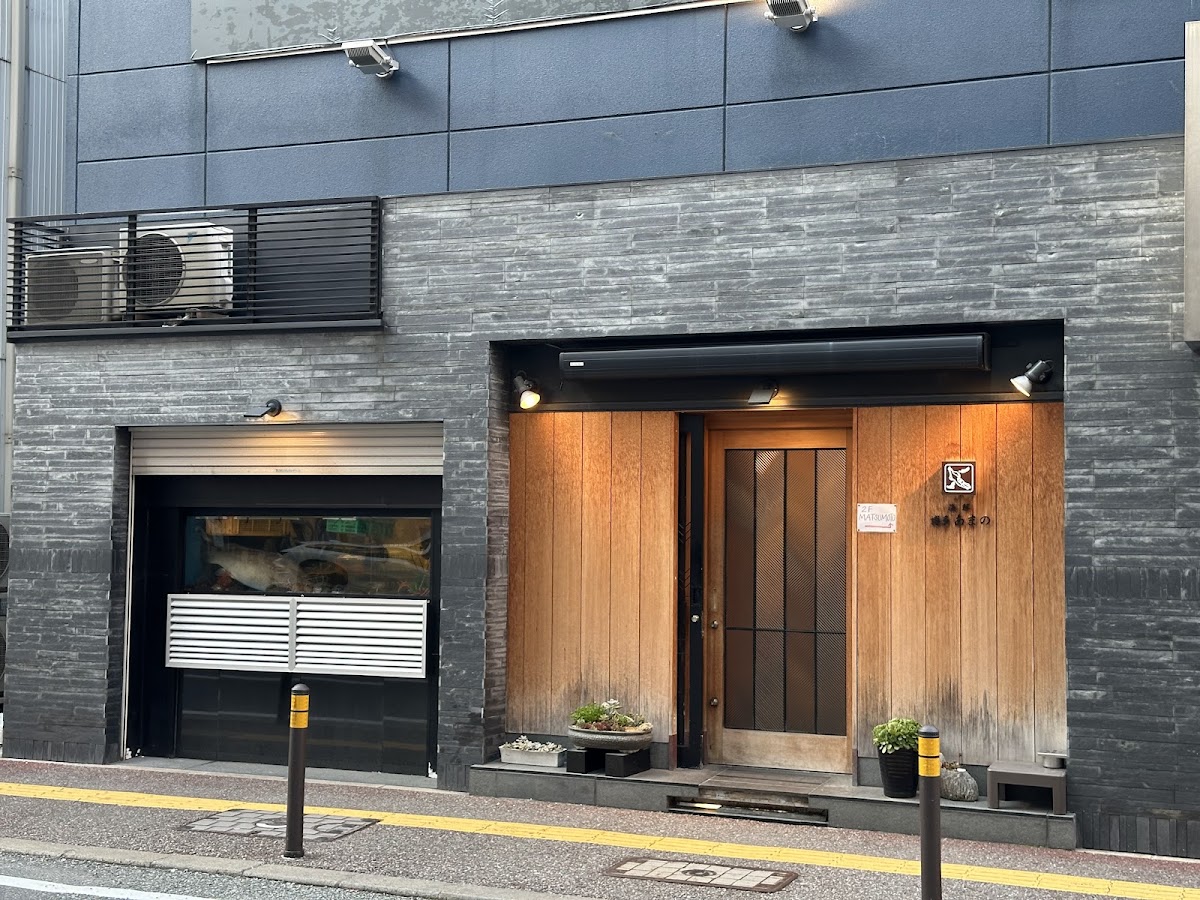
Walking into Amano for the first time, I remember noticing how calm the room felt despite being tucked into one of Fukuoka’s liveliest neighborhoods. Located at 9-4 Nishinakasu, Chuo Ward, Fukuoka, 810-0002, Japan, the restaurant sits between the nightlife energy of Tenjin and the quiet elegance of the riverside. That contrast shows up in the food too. It’s polished but relaxed, thoughtful without feeling stiff, and clearly shaped by years of hands-on kitchen experience.
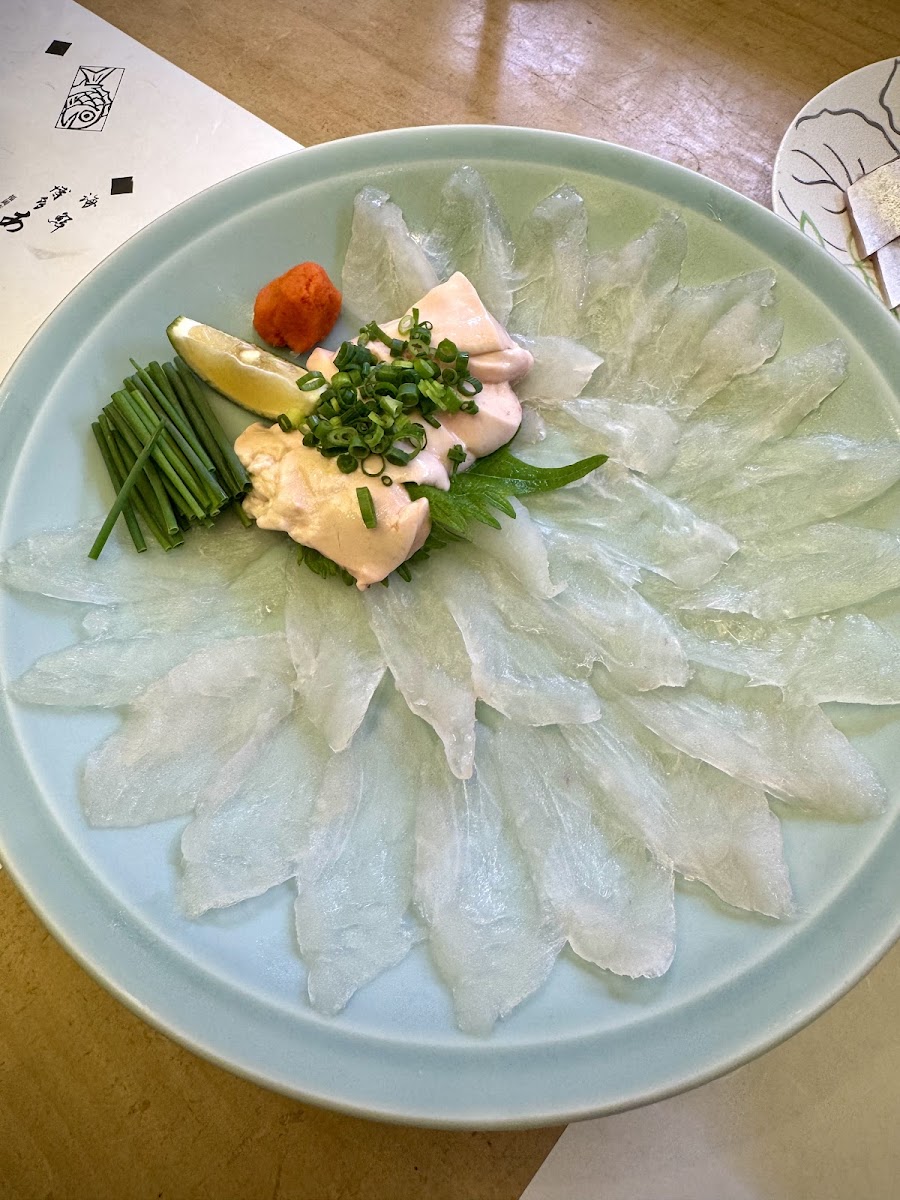
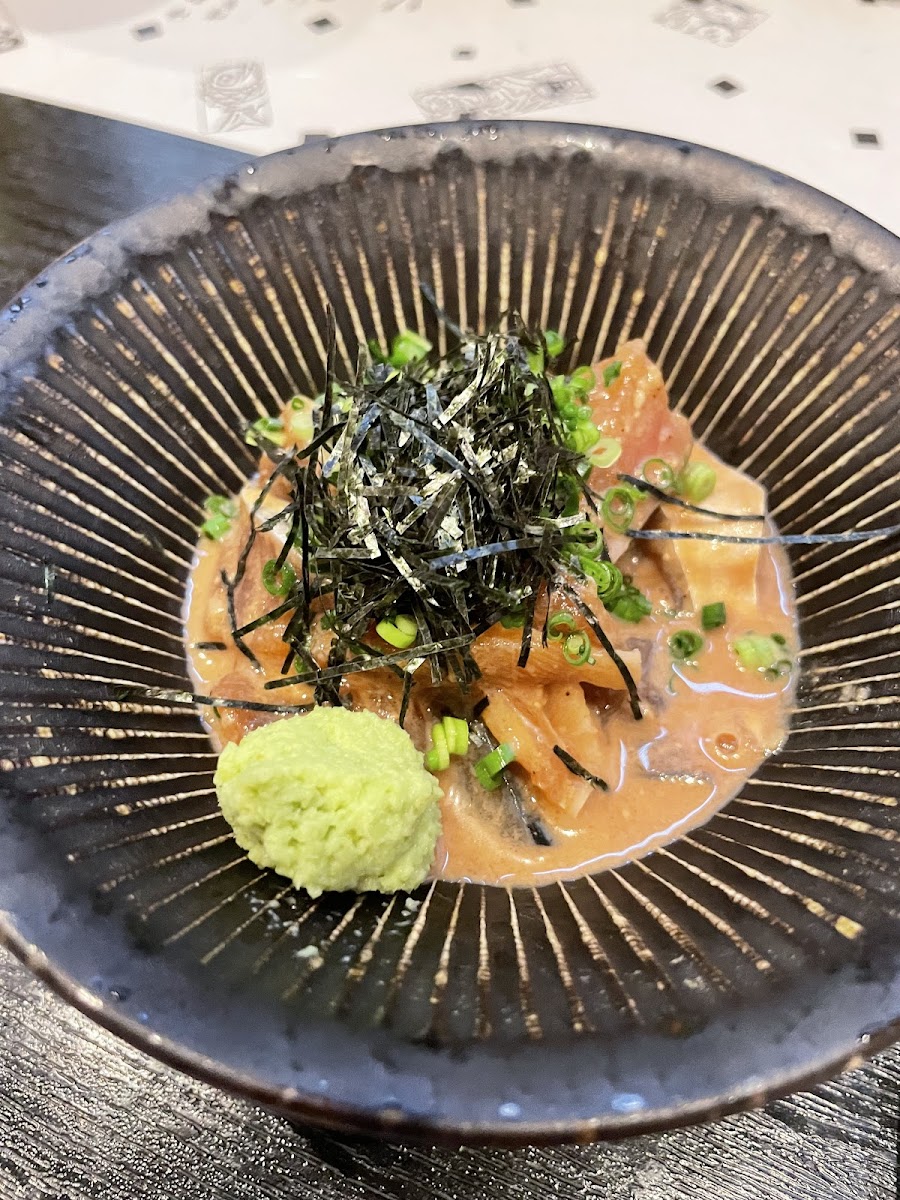
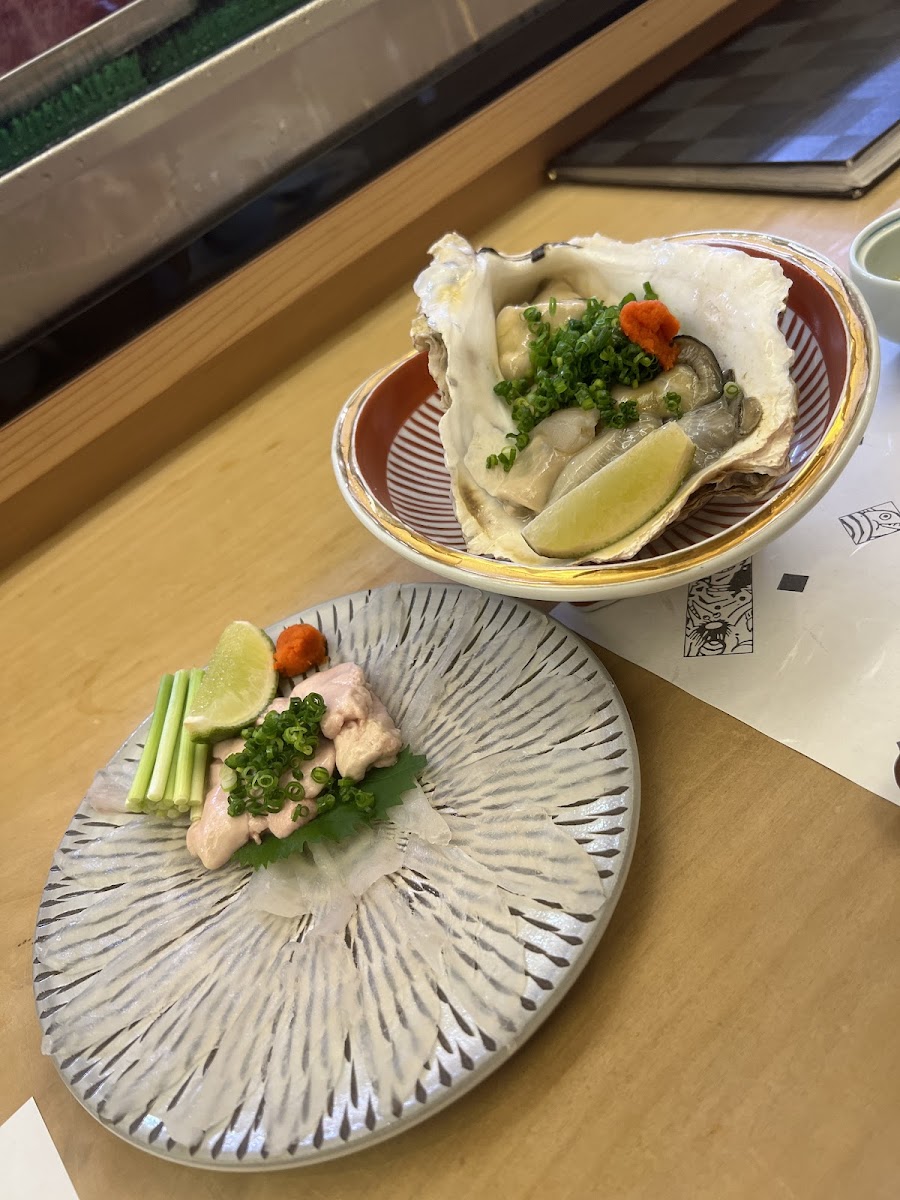
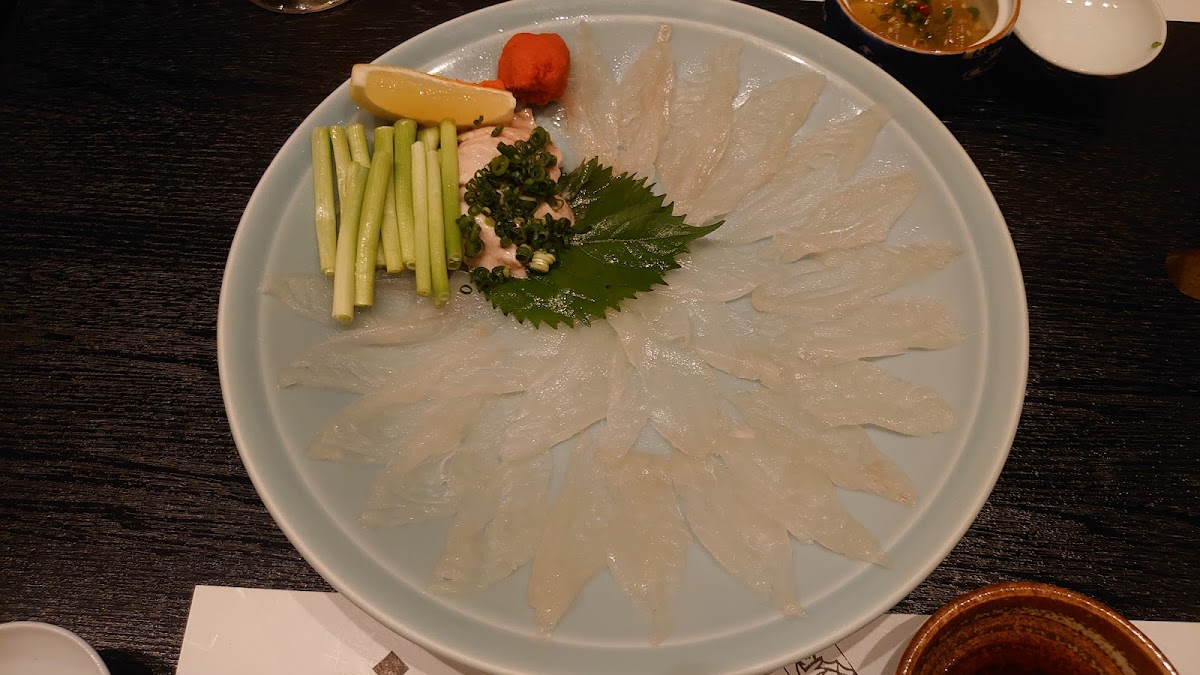
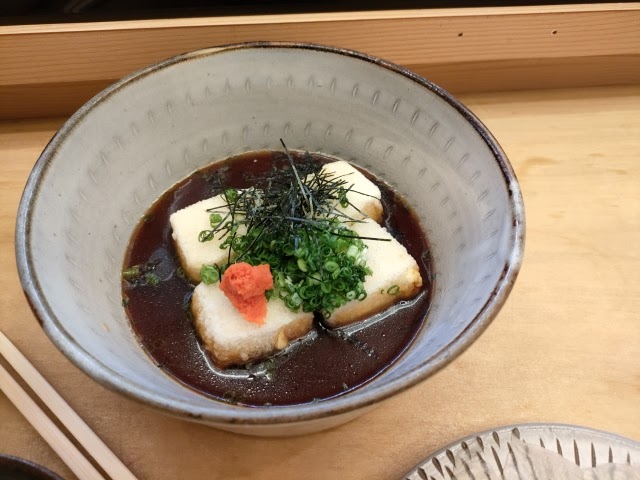
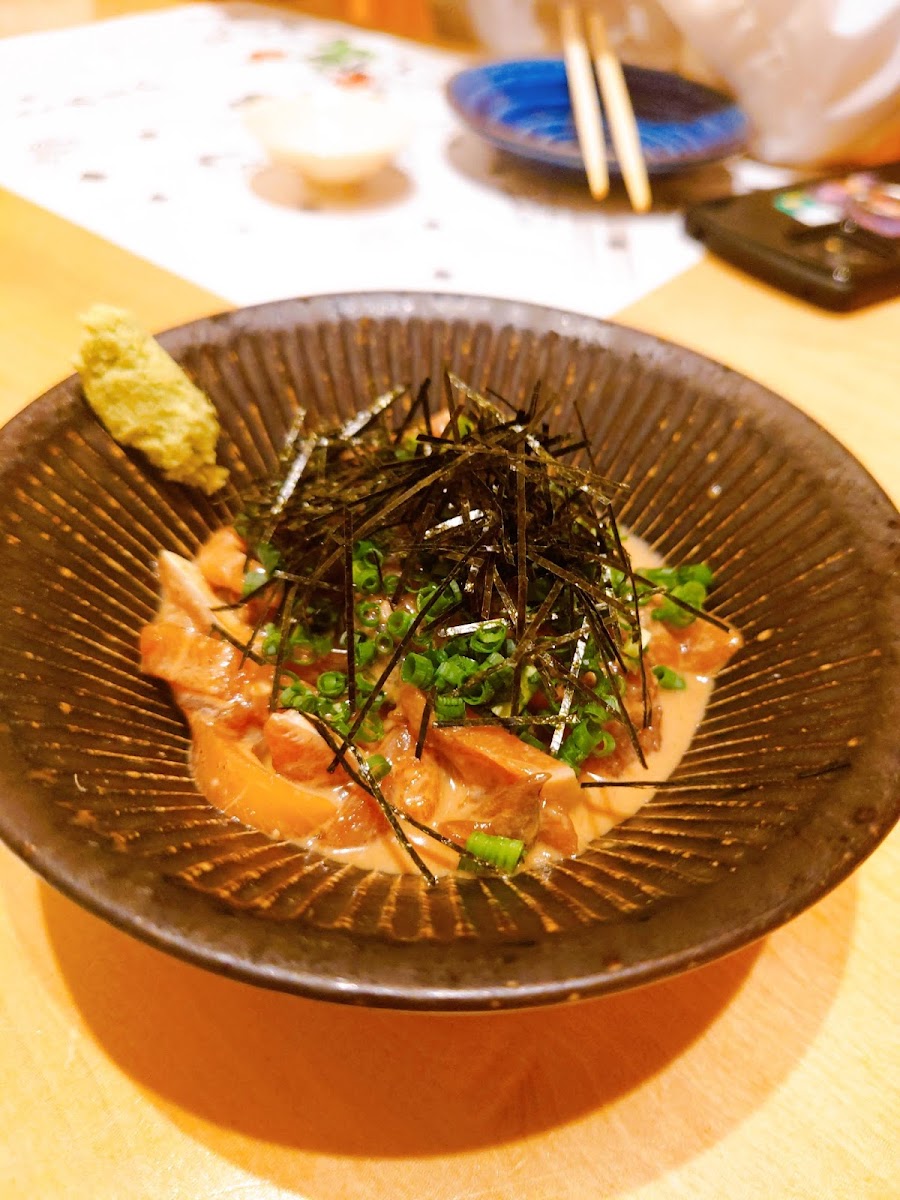
From a diner’s point of view, the menu reads like a conversation between local Kyushu ingredients and modern Japanese cooking. Instead of overwhelming you with options, it focuses on balance. On one visit, a server explained how their seafood is sourced daily from Nagahama Market, which handles more than 300 species of fish annually according to Fukuoka City data. You can taste that freshness immediately. A simple sashimi course arrives clean and bright, with textures that don’t need heavy seasoning to make a point. That restraint is deliberate and comes from technique rather than minimalism for show.
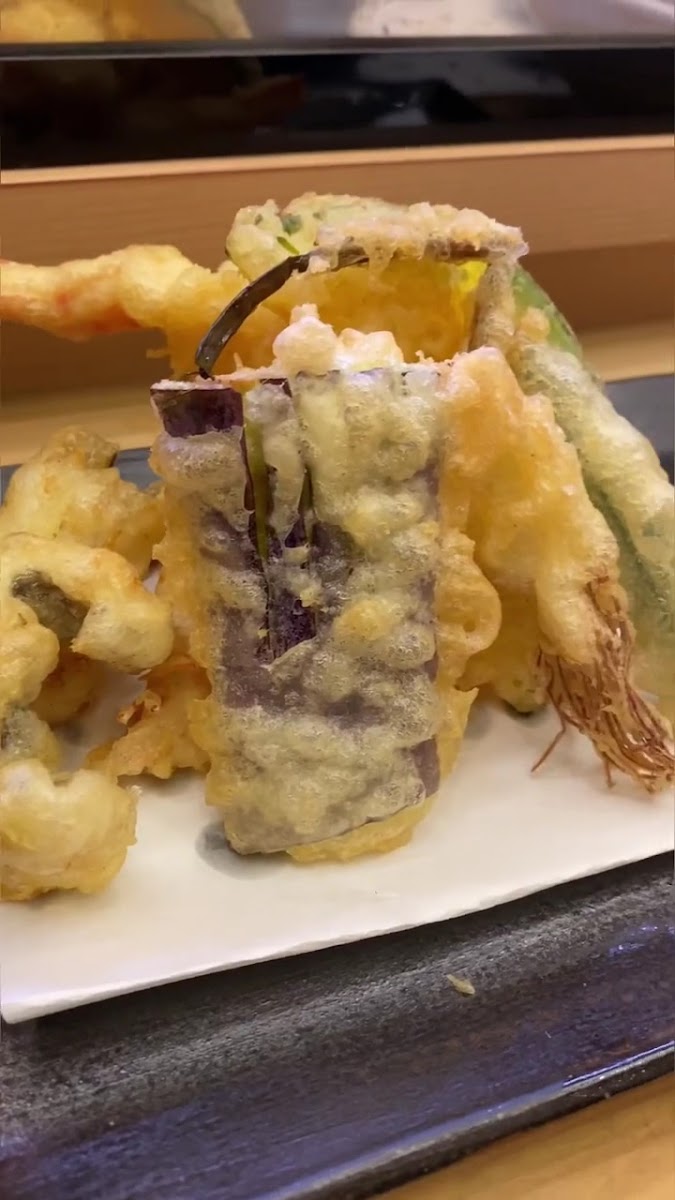
What stands out most is how the kitchen handles seasonal shifts. During autumn, mushrooms and root vegetables quietly take center stage, while spring menus lean into lighter broths and young greens. This approach aligns with guidance from Japan’s Ministry of Agriculture, which emphasizes seasonality as a cornerstone of Japanese cuisine. Amano applies that principle in a practical way, adjusting cooking times, knife work, and plating so ingredients stay recognizable rather than transformed beyond character.
I’ve eaten here with friends visiting from overseas, and their reactions mirror many online reviews. People often expect something formal, yet they end up surprised by how approachable the staff is. Servers explain dishes clearly, breaking down cooking methods without jargon. One friend still talks about a slow-cooked wagyu dish where the chef used low-temperature techniques to preserve moisture, a method widely studied in culinary research for improving texture and consistency in premium cuts.
There’s also a quiet confidence in how the restaurant positions itself. You won’t see gimmicks or oversized portions meant for photos. Instead, plates arrive measured and intentional. That approach has earned Amano mentions in respected dining circles and recommendations from chefs who appreciate technical discipline over trend chasing. While it hasn’t chased awards loudly, its philosophy echoes standards promoted by organizations like the Michelin Guide Japan, where consistency and ingredient respect matter more than spectacle.
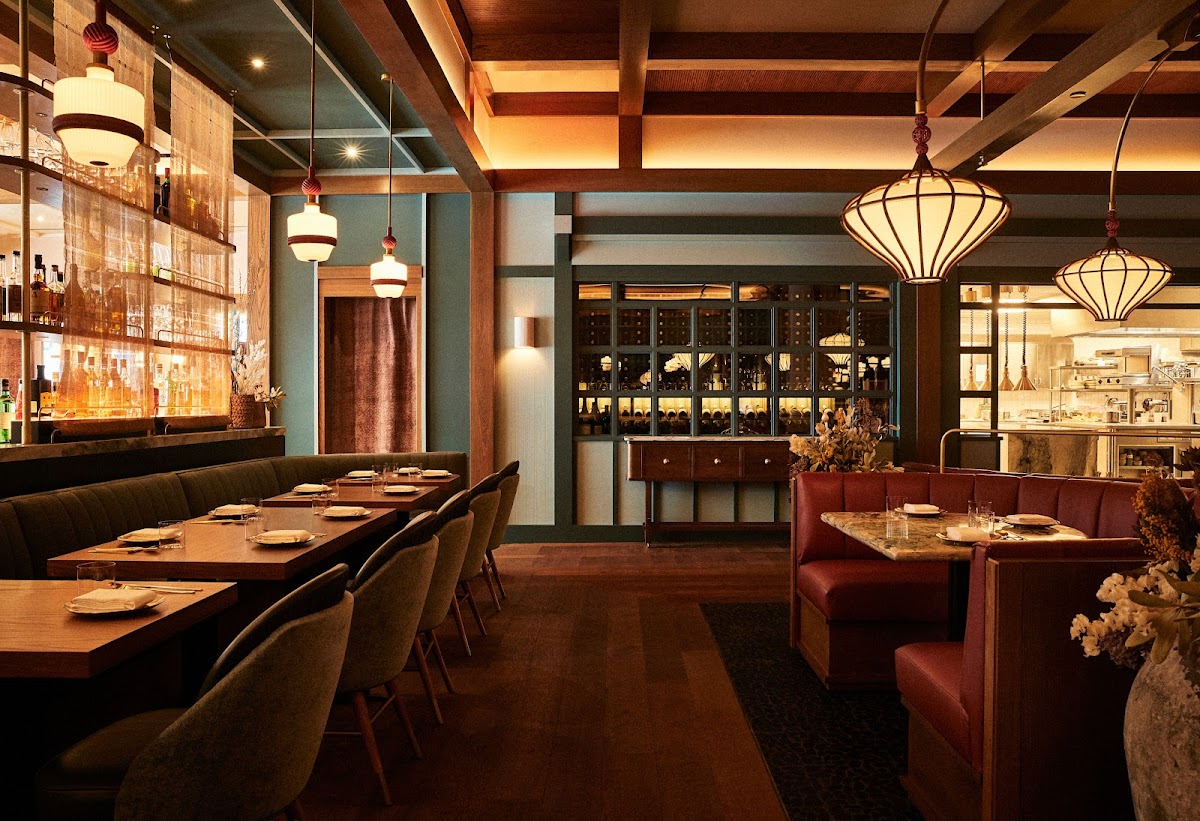
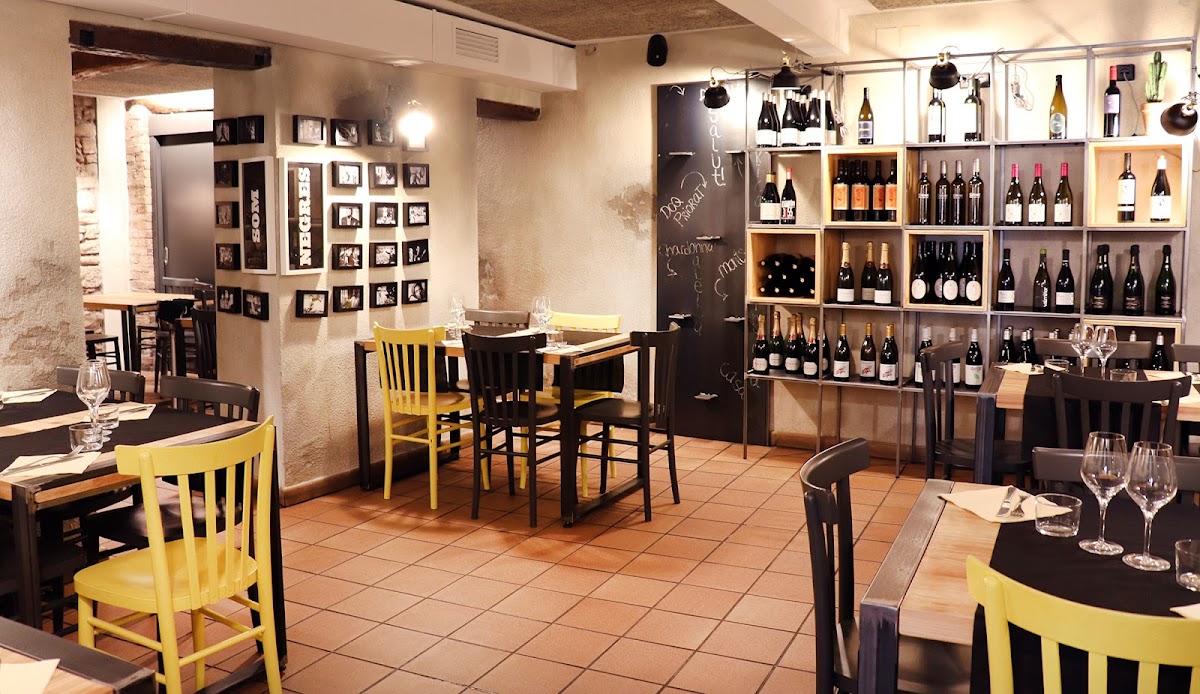
The dining room itself supports the experience. Wood tones, soft lighting, and thoughtful spacing make it easy to linger. Conversations don’t echo, and even on busy nights, service feels steady rather than rushed. For locals, it works as a reliable dinner spot. For travelers, it offers a grounded look at contemporary Japanese dining without forcing tradition or novelty.
No restaurant is perfect, and it’s fair to mention that the menu may feel limited if you’re looking for bold fusion or dramatic flavors. Portions are also designed for pacing, not indulgence. Still, that’s part of the appeal. Amano knows what it does well and stays focused, which builds trust over time.
By blending careful sourcing, proven cooking methods, and an easygoing atmosphere, the restaurant delivers a dining experience that feels honest. It’s the kind of place where technique supports flavor, service supports comfort, and every visit reinforces why thoughtful cooking still matters in a city packed with options.